By prinasieku

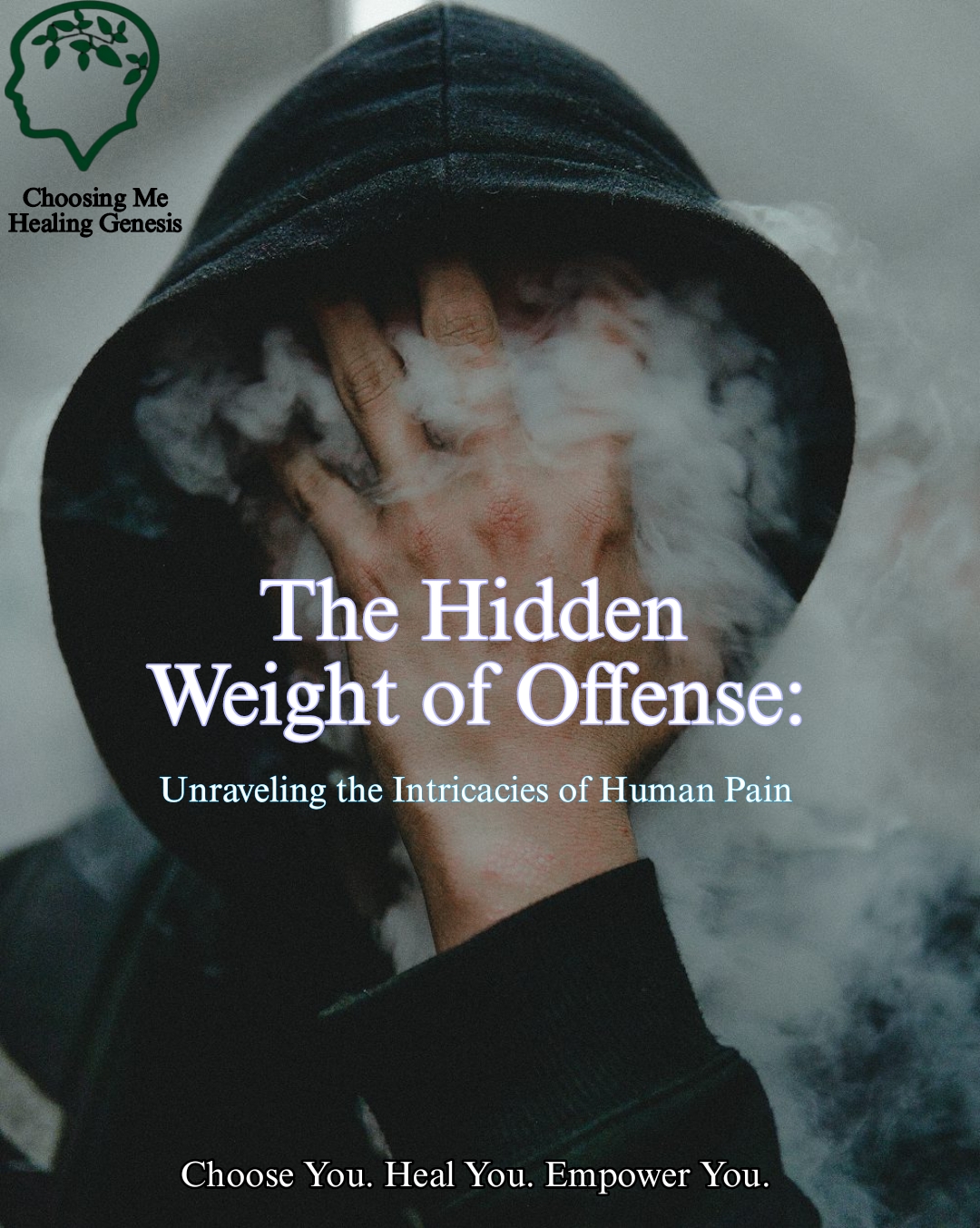
The Hidden Weight of Offense: Unraveling the Intricacies of Human Pain

Offense is more than just a fleeting emotion; it’s a deeply personal experience that can shake you to your core. It’s that moment when someone’s words or actions slice through your defenses, leaving you exposed and vulnerable. We often dismiss it as a mere reaction, something to be shrugged off, but the truth is, offense digs much deeper. It roots itself in our psyche, festering in the dark corners of our mind where our deepest insecurities lie.

Imagine you’re in a room full of people, and someone says something that hits a nerve. Maybe it’s a casual remark, something they didn’t think twice about, but to you, it feels like a punch in the gut. Your face flushes, your heart races, and before you know it, a wave of anger surges through you. You want to lash out, to defend yourself, to make them understand the pain they’ve caused. But sometimes, you don’t. Sometimes, you swallow that anger, bury it deep, and try to move on.

Yet, that buried offense doesn’t disappear. It lingers, manifesting in ways you might not even realize. It can show up in your relationships, where you find yourself snapping at loved ones for reasons that seem trivial. It can affect your self-esteem, making you question your worth and second-guess your decisions. Offense, when left unchecked, has a way of coloring your perception of the world, turning you more guarded, more cynical, more distant.

Consider the example of a friend who makes a joke at your expense. Everyone laughs, including you—on the outside. But inside, something shifts. You start to pull away, a little at first, then more noticeably. You become more reserved, less willing to share, because the fear of being hurt again looms large. The offense has planted a seed of mistrust, and from that seed grows a wall that begins to separate you from others.

Then there’s the other side of the coin—the quiet offense. The one that doesn’t provoke an immediate reaction but instead settles into a slow burn. Maybe it’s a slight from a coworker, a criticism from a partner, or a snub from a friend. You tell yourself it doesn’t matter, that you’re above it, but every time you see that person or think about that moment, it’s like a tiny thorn in your side. It’s not enough to make you cry out in pain, but it’s always there, irritating, reminding you that you’ve been wounded.

This kind of offense is insidious. It seeps into your thoughts, your behaviors, your interactions with others. You become more guarded, more cautious, because somewhere deep down, you’re trying to protect yourself from being hurt again. It can make you more prone to anger, more easily offended by things that might not have bothered you before. It creates a cycle—a loop where the offense feeds into your fears and insecurities, which in turn makes you more susceptible to future offenses.

And then there’s the shame—the feeling that maybe, just maybe, you deserved the offense. That there’s something wrong with you, something that invited the hurt in the first place. This shame can be paralyzing. It keeps you from speaking out, from defending yourself, because what if they’re right? What if you really are as flawed as they made you feel?

Offense, in its many forms, is a universal experience. We’ve all felt it, and we’ve all dealt with it in our own ways. Some of us lash out, trying to reclaim our sense of power. Others withdraw, building walls to keep the world at bay. But no matter how we respond, the truth remains: offense hurts. It shakes our sense of self, our place in the world, and our relationships with others.

But there’s also power in recognizing offense for what it is—a sign that something in us needs attention. Whether it’s an old wound that’s been reopened, an insecurity that’s been triggered, or a boundary that’s been crossed, offense is a call to action. It’s an opportunity to understand ourselves better, to heal, and to grow.

In the end, offense is a part of being human. It’s messy, it’s painful, and it’s complicated. But it’s also a chance to connect with our deepest selves, to confront the things that hurt us, and to find a way to move forward—stronger, wiser, and more compassionate.
By prinasieku

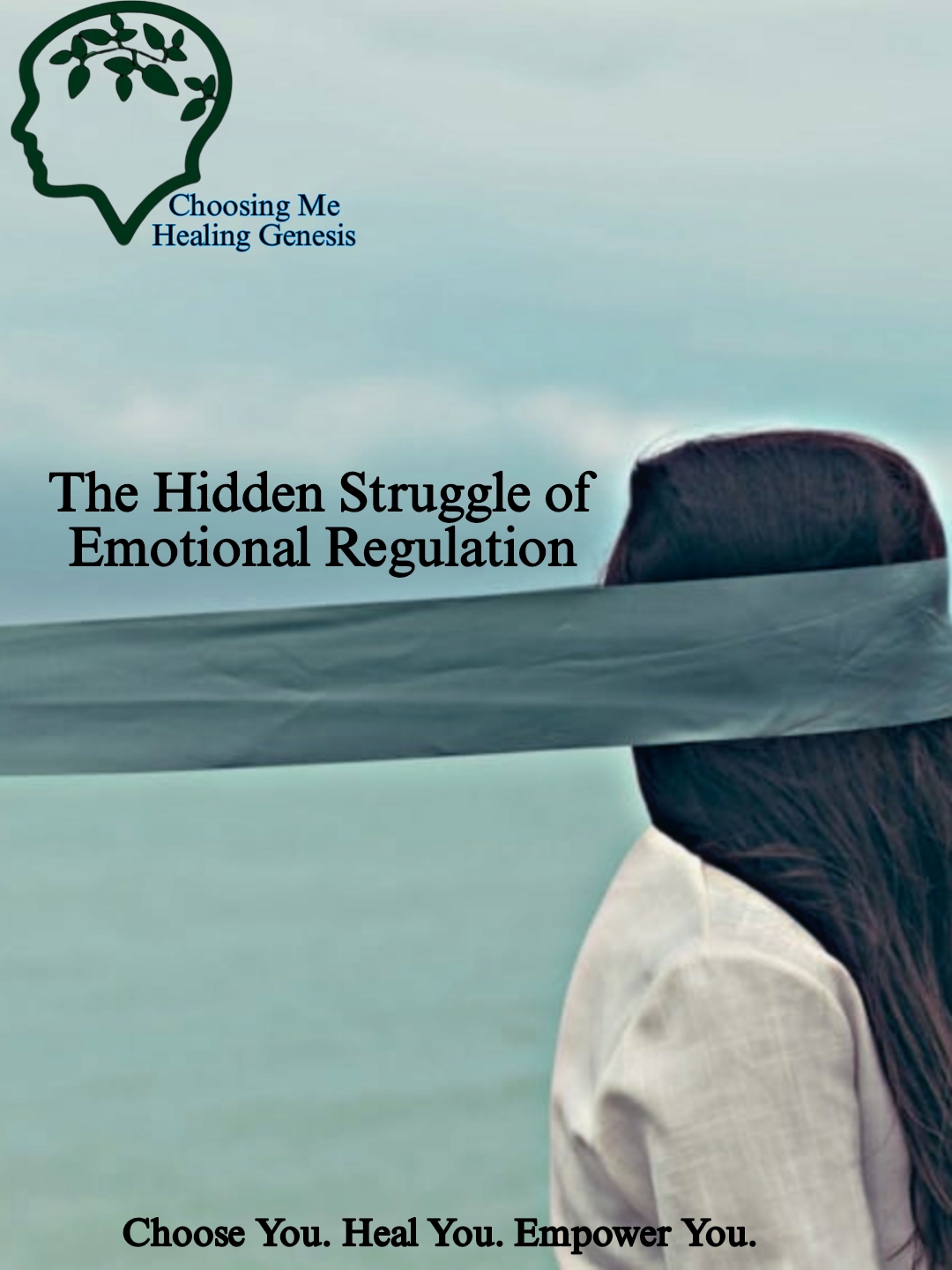
The Hidden Struggle of Emotional Regulation: A Personal Journey

Have you ever noticed how a small inconvenience can set off a cascade of negative emotions, leading you to lash out at those around you? This week, let’s explore the depths of these emotional responses and how they can impact our relationships, even when we don’t mean to cause harm.

The Trigger: A Common Scenario

Imagine you’ve had a rough day at work. You come home exhausted, looking forward to unwinding, but things don’t go as planned. The house is noisy, and dinner isn’t what you expected. Your disappointment quickly turns into frustration, and you start to voice your dissatisfaction loudly and repeatedly.

In these moments, it’s easy to forget that our words and actions can deeply affect those around us. What feels like a simple expression of frustration to you can come across as hurtful and demoralizing to others, especially if it’s repeated.

Recognizing the Pattern

When you find yourself constantly complaining about minor issues, it’s a sign that there might be underlying emotions at play. It’s not just about the noisy house or the unsatisfactory dinner—it’s about how these situations become outlets for your unexpressed feelings.

For example, you might repeatedly criticize the food, not realizing that your words hurt the person who prepared it with good intentions. This behavior can create a tense atmosphere and make others feel unappreciated.

Self-Reflection and Accountability

Realizing that your actions might be causing harm is a crucial step toward change. It’s important to acknowledge that your frustration may be rooted in deeper issues, and that lashing out is not a healthy way to cope.

Strategies for Improvement

1. Pause and Reflect: Before reacting, take a moment to understand why you’re upset. Is it really about the current situation, or is there a deeper issue at play?

2. Communicate Constructively: Instead of criticizing, express your feelings in a way that doesn’t blame others. For example, “I’m feeling really overwhelmed today, and the noise is making it hard for me to relax.”

3. Seek Understanding: Try to understand the perspective of others involved. Acknowledge their efforts and express gratitude for what they do.

4. Practice Empathy: Consider how you would feel if roles were reversed. This can help you moderate your responses and show more compassion.

5. Apologize and Make Amends: If you realize you’ve hurt someone, a sincere apology can go a long way. Let them know that your frustration wasn’t about them and that you appreciate their efforts.

Moving Forward

Changing toxic behavior is a continuous journey. By recognizing your triggers and making a conscious effort to communicate more kindly, you can create more positive and supportive relationships. It’s okay to have bad days and feel frustrated, but what matters is how you choose to express those feelings and ensure you don’t hurt those around you in the process.

Your journey towards better emotional regulation and communication can lead to more fulfilling and harmonious interactions, helping you build stronger, healthier relationships with those you care about.

By prinasieku

Navigating the Uncharted Waters of Grief: A Journey to Healing

Grief is a universal experience, yet it is uniquely personal. It is an emotional storm that strikes with little warning, leaving us vulnerable and exposed. The weight of loss can be paralyzing, a heavy fog that lingers long after the initial shock has worn off. But what if we could navigate these treacherous waters with a deeper understanding and a sense of compassion for ourselves and others? Let’s delve into the lesser-known facets of grief and explore ways to find our way back to the shore.

The Hidden Layers of Grief

Grief is not just about losing a loved one. It encompasses the loss of dreams, identities, and the future we envisioned. When someone we love dies, we also mourn the unfulfilled plans and the roles they played in our lives. This multifaceted grief is often overlooked, yet it’s a critical part of the healing process. Recognizing that grief can stem from multiple sources allows us to validate our feelings and understand the full scope of our sorrow.

The Physicality of Grief

Grief is not solely an emotional or mental experience; it manifests physically. The ache in your chest, the exhaustion that seems to have no end, the loss of appetite—these are all common physical responses to grief. Understanding this connection between mind and body helps in acknowledging that it’s okay to feel physically unwell. Your body is processing the trauma, and it’s essential to treat it with care and patience.

Grief and Memory

One of the most poignant aspects of grief is how it affects our memories. We may fear that over time, we will forget the sound of their voice, the warmth of their embrace, or the way they made us laugh. This fear can create a new layer of grief as we struggle to hold on to these precious moments. Embracing routines, such as journaling, creating memory boxes, or even simple acts of remembrance, can help keep their presence alive in our hearts.

The Solitude of Grief

Grief can be incredibly isolating. Even when surrounded by loved ones, the feeling of being alone in our sorrow can be overwhelming. It’s important to remember that while each person’s grief is unique, you are not alone in your experience. Sharing your story with others who have also walked this path can bring comfort and understanding. Finding support groups, either in person or online, can create a space where your grief is seen and validated.

Managing the Depths of Grief

The journey through grief is not about moving on but about moving forward. Here are some ways to manage your grief without becoming lost in it:

1. Allow Yourself to Feel: Suppressing your emotions can prolong the grieving process. Give yourself permission to feel whatever arises—anger, sadness, confusion, or even relief.

2. Create a Routine: Establishing a daily routine can provide a sense of normalcy and stability in a time of chaos. Small, manageable tasks can give you a sense of accomplishment and control.

3. Seek Professional Help: There is no shame in seeking the help of a therapist or counselor. They can provide you with tools and strategies to cope with your grief in a healthy way. (As Choosing Me Healing Genesis, we’re always here to help you find your best professional help fit.)

4. Practice Self-Compassion: Be gentle with yourself. Grieving is hard work, and it’s okay to take time to care for your needs. Whether it’s through rest, creative expression, or physical activity, find what nourishes your soul.

5. Connect with Nature: Spending time in nature can be incredibly healing. The rhythm of the natural world—its cycles of growth, decay, and renewal—can offer a profound sense of solace and perspective.

Moving Forward with Hope

Grief never truly leaves us, but it does change over time. The sharp edges of sorrow can become softer, and moments of joy can start to weave their way back into our lives. As we navigate this journey, it’s crucial to hold on to hope. Hope that the pain will lessen, hope that we will find moments of peace, and hope that we will carry our loved ones with us in a new way.

In the end, grief is a testament to the love we have known. It is a reminder that our hearts have the capacity to feel deeply, to connect profoundly, and to heal, even when it seems impossible. As you walk this path, know that you are seen, you are felt, and you are not alone. Your grief is a part of your story, but it does not define you. You have the strength to navigate these uncharted waters and to find your way back to the light.

By prinasieku

Breaking Free from Anger: Understanding and Healing

Anger can feel all-consuming. It can take root so deep inside you that it feels like it’s a part of who you are. For some, anger isn’t just a fleeting emotion but a constant companion, influencing thoughts, actions, and even relationships. If you have anger issues, you know how it feels to be constantly on edge, ready to snap at the smallest provocation.

The Depths of Anger

Anger often begins with pain. It could stem from childhood trauma, betrayal, unmet expectations, or unresolved conflicts. This pain, when left unchecked, festers and grows. It turns into a defense mechanism, a way to protect yourself from further hurt.

You might feel justified in your anger, seeing it as a necessary shield against a world that feels harsh and unfair. But over time, this anger starts to blur the lines between your true self and the emotion itself. It becomes harder to distinguish where your anger ends and where you begin. You might start to feel like your anger is the only thing that keeps you safe, the only thing that makes you strong.

The Weight of Anger

Living with anger is exhausting. It drains your energy, leaving you feeling constantly tired and on edge. It affects your mental and physical health, causing stress, anxiety, and even physical ailments. Relationships suffer as your loved ones struggle to navigate the minefield of your emotions. You might feel isolated, misunderstood, and alone.

But here’s the thing: You are not your anger. You are so much more than this emotion that has taken hold of your life. There is hope, and there is a way to live without this constant weight on your shoulders.

The Hope of Healing

Imagine a life where anger doesn’t control you. A life where you can feel calm, happy, and free. It might seem impossible now, but with time and effort, you can get there. Here are some steps to help you start this journey:

1. Acknowledge Your Anger

The first step is to admit that anger is a problem. It’s not a sign of weakness; it’s a sign of strength to recognize and face your issues. Reflect on the moments that trigger your anger and understand that it’s okay to feel this way, but it’s not okay to let it rule your life.

2. Understand the Root Cause

Anger often masks deeper emotions like fear, sadness, or disappointment. Try to dig deep and uncover what’s really driving your anger. Journaling, therapy, or talking with a trusted friend can help you explore these feelings.

3. Practice Mindfulness

Mindfulness can help you stay present and calm. When you feel anger rising, take a moment to breathe deeply and focus on the present moment. This can help you avoid reacting impulsively and give you time to respond more thoughtfully.

4. Develop Healthy Coping Mechanisms

Find activities that help you release pent-up emotions in a healthy way. Exercise, art, music, or any hobby that you enjoy can be a great outlet for your emotions. These activities can help you channel your energy into something positive and reduce your overall stress.

5. Seek Professional Help

Therapists can provide invaluable guidance and support as you work through your anger. They can help you develop strategies to manage your emotions and address the root causes of your anger. Don’t hesitate to seek professional help; it’s a crucial step in your healing journey.

Living Without Anger

Imagine waking up feeling light, without the heavy burden of anger. Imagine your relationships thriving, filled with love and understanding. Picture yourself smiling more, laughing more, and truly enjoying life. This isn’t just a dream; it can be your reality.

Letting go of anger doesn’t mean ignoring your emotions or pretending everything is fine. It means acknowledging your feelings, understanding them, and choosing to move forward in a healthier way. It means giving yourself the gift of peace and freedom.

You Can Do This

You are not alone in this journey. Many people have walked this path and come out stronger and happier on the other side. It’s not easy, but it’s worth it. Take the first step today. Acknowledge your anger, understand it, and start working towards a life without it. You deserve to live a life free from the weight of anger, a life where you can be your true, authentic self.

You’ve got this. You are capable of change, and you are worthy of peace. Let’s take this journey together, one step at a time.

Feel free to share your thoughts or experiences in the comments. Remember, every step you take towards healing and living fully is a step towards a brighter, more fulfilling life. Thank you for reading, and take care of yourself today and every day.

By prinasieku

Healing from Heaviness and Fatigue

Life often at times feels like a heavy burden, especially after going through rough and tough situations beyond our control. That trauma can make us feel tired, not just in our bodies, but in our hearts and minds too. This blog is for anyone feeling this heaviness, to help you feel seen, and to offer some gentle steps towards healing.

Feeling the Weight

When life hits hard, it can leave us feeling exhausted. Maybe you’re carrying a sadness that’s hard to shake, or you feel constantly drained. It’s like having an invisible weight on your shoulders that nobody else can see. It’s okay to feel this way, and you’re not alone. Many people are walking this same path with you.

Taking Small Steps to Heal

1. Show Yourself Kindness

Think about how you would talk to a dear friend who’s going through a tough time. You wouldn’t tell them to just get over it or to be tougher. So, why not extend that same kindness to yourself? Give yourself permission to feel whatever you’re feeling, without judgment.

2. Create a Safe Space

Find a spot where you can just be. Maybe it’s a cozy corner in your room, your balcony where you can watch the world go by, or even a quiet moment with a cup of tea. Let this be your place to breathe and feel safe.

3. Stay Present

When the weight feels too heavy, focus on what you can do right now. Small acts of self-care, like working out, reading a good book, or spending time with loved ones, can help you stay in the moment and find a bit of peace.

4. Reach Out 

You don’t have to carry this burden alone. Talk to someone you trust about how you’re feeling, or seek out a support group or therapist. Sharing your feelings can lighten the load and help you feel less isolated.

5. Embrace Small Joys

Focus on the little things that bring you joy. Maybe it’s the sound of your favorite song, watching your favourite show or engaging with that friend that automatically puts a smile on your face. These moments can help you find beauty in everyday life and give you a sense of hope.

6. Take Care of Your Body

Your body needs care too. Try to get enough sleep, eat responsibly and move in ways that feel good to you. Taking care of your physical health can help ease some of the emotional and mental fatigue.

7. Be Patient with Yourself 

Healing takes time, and it’s okay to take it slow. Be gentle with yourself and recognize that every small step forward is progress. You’re doing your best, and that’s enough.

Remember, you’re not alone on this journey. Many people are going through similar experiences, and there is hope for a brighter, lighter future. Take it one day at a time, and know that it’s okay to ask for help and to take care of yourself. You deserve to heal and find peace.

Feel free to share your thoughts or experiences in the comments. Every step you take towards healing and living fully is a step towards a brighter, more fulfilling life. Thank you for reading, and take care of yourself today and every day.

By prinasieku

Embracing Today: Healing from the Inside Out

It can be hard to accept every part of ourselves, especially those parts that come from pain, hurt, and damage. Our current self often tries to protect, heal, and defend our inner child, the part of us that experienced pain and trauma. But sometimes we fail to see that it might be our turn to heal not only our inner child, but our present self.

We often live in a constant state of defense, trying to avoid any reminders of past hurts. We think we have no choice but to stay in this survival mode, even though it makes us feel stuck and unhappy. The self-hate grows, but so does our need to shield ourselves from more pain. The brokenness inside us never seems to go away, and it can feel like it’s eating us up from the inside.

But what if we could finally let go of all the pain and burdens and start living for ourselves? What if we could stop waiting for the perfect moment to feel whole and start taking action for our present self? It’s time to focus on the you of now, the you that deserves to live fully and freely. Here’s how you can start:

Listening to Your Inner Child

Your inner child is a part of you that still carries the dreams, hopes, and pains of the past. They want to be heard and seen. Take some time each day to connect with this part of yourself. You might picture your younger self and talk to them, letting them know you are ready to heal together.

Lowering Your Guard

Constantly being on guard can be exhausting. It’s okay to allow yourself to relax and not always be in defense mode. Try to recognize when you’re being overly protective and remind yourself that you’re safe now. You don’t have to keep fighting the battles of the past.

Embracing the Present

Start focusing on what you can do for yourself today. Small acts of self-care, like going for a walk, reading a good book, or spending time with loved ones, can help you stay present and appreciate the moment. These little steps can make a big difference in how you feel.

Letting Go of Past Burdens

Holding on to past pain can keep you from moving forward. It’s important to acknowledge your hurt but not let it define you. Practice forgiveness, not just for others but for yourself. You deserve to move past your mistakes and the pain others have caused you.

Creating a New Narrative

Rewrite your story. Instead of seeing yourself as a victim of past trauma, start viewing yourself as a survivor and a thriver. Celebrate your strength and resilience. By changing how you see yourself, you can start to live a more empowered life.

Taking Action for Your Present Self

Make a conscious decision to live for the you of today. Set small, achievable goals that align with your values and desires. These goals can be as simple as setting aside time for a hobby you love or as big as planning a trip you’ve always wanted to take.

Building a Supportive Community

Surround yourself with people who support and uplift you. Having a community of friends, family, or even a therapist can help you stay grounded and provide the encouragement you need to keep moving forward.

Is It Possible to Heal?

Yes, it is. Healing takes time, patience, and a lot of self-love. It’s about finding balance and being gentle with yourself. Remember, you don’t have to be perfect; you just have to be willing to take the first step toward a better you.

Living for Today

Ultimately, living for yourself means giving yourself permission to be happy and to live a life that’s true to who you are. It’s about realizing that you have the power to heal and create a fulfilling life, not just for your inner child but for your present self as well.

Take a deep breath. You’ve got this. You’re not alone on this journey. We’re all in this together, learning to live for today and embracing the beauty of who we are now.

Feel free to share your thoughts or experiences in the comments. Remember, every step you take towards healing and living fully is a step towards a brighter, more fulfilling life. Thank you for reading, and take care of yourself today and every day.

By prinasieku

Embracing the Shadows: Finding Wholeness Amidst Pain

Accepting every aspect of ourselves is one of the most challenging journeys we can undertake. It’s especially hard to accept the parts of us that lead and act from a place of pain, hurt, and damage. These automatic reflexes, born from trauma, become so ingrained in us that they feel like an inseparable part of our identity. We often despise these aspects of ourselves, contemplating change but feeling trapped by the fear that the alternative might be even worse. The self-hate grows, but it’s never enough to overshadow the need to shield and protect ourselves.


This brokenness, this unquenchable hunger, eats away at us. What do we do when the very mechanisms we use to survive become the chains that hold us back?


The Dilemma


The dilemma is profound: we loathe these parts of ourselves, yet we cling to them because they are our defense against a world that has hurt us. The pain becomes a familiar companion, a twisted comfort in its consistency. We know it’s damaging, but it feels safer than the unknown.


Is There Hope?


Is there hope for change? Is it feasible to become so whole that our wholeness naturally pours into others? The journey to this kind of wholeness is arduous, but it is possible. Here’s how we can start:


1. Acknowledge the Pain


The first step is acknowledging the pain without judgment. Understand that these reactions are a part of you because they once served a purpose. They were your mind and body’s way of protecting you from further harm. Recognizing this can be the first step towards healing.


2. Seek Professional Help


Therapists and counselors can provide a safe space to explore these feelings and reactions. They can help you develop healthier coping mechanisms and work through the trauma that caused these automatic reflexes. Therapy is not a quick fix, but it is a powerful tool in the journey toward wholeness.


3. Practice Self-Compassion


Self-compassion involves treating yourself with the same kindness and understanding that you would offer to a friend. When you catch yourself reacting from a place of pain, instead of falling into self-hate, remind yourself that you are doing the best you can with the tools you have.


4. Build a Support System


Surround yourself with people who understand and support you. These individuals can provide the love and encouragement needed to continue the journey toward wholeness. They can remind you of your worth when you struggle to see it yourself.


5. Develop Mindfulness Practices


Mindfulness can help you become more aware of your reactions and the triggers behind them. Practices like meditation, deep breathing, and yoga can help ground you in the present moment and reduce the intensity of your automatic reflexes.


6. Engage in Creative Outlets


Creative activities like writing, painting, or music can be powerful ways to process and express your emotions. They allow you to channel your pain into something constructive and can provide a sense of accomplishment and relief.


7. Celebrate Small Victories


Every step forward, no matter how small, is a victory. Celebrate these moments. They are proof that change is happening, even if it’s slow. Over time, these small steps will add up to significant progress.


Pouring from Wholeness


Imagine a life where your wholeness is so profound that it naturally spills over into others. This is not a distant dream but a potential reality. It requires persistent effort, but every step you take towards healing brings you closer to this goal.


In conclusion, the journey to wholeness is fraught with challenges, but it is also filled with hope. By acknowledging your pain, seeking help, practicing self-compassion, and building a support system, you can begin to heal. As you heal, you will find that your wholeness becomes a natural part of who you are, allowing you to pour into others effortlessly.


Remember, you are not alone in this journey. We are all striving to become the best versions of ourselves, and together, we can find the strength to overcome the shadows and embrace the light.

By prinasieku

The Gentle Art of Guarding Your Heart

Have you ever felt your heart ache from giving too much?

In the quiet moments of our lives, we often find ourselves reflecting on the times we’ve been hurt. Not because we’re weak, but because we’re human. We live in a world that constantly demands our attention, energy, and love, sometimes leaving us feeling depleted and vulnerable. Yet, we rarely talk about the art of guarding our hearts – an essential practice that can protect our emotional well-being and help us navigate life with more strength and resilience.

Why Do We Neglect to Protect Our Hearts?

Many of us were never taught to prioritize our emotional health. We grew up believing that vulnerability equates to weakness, that boundaries are barriers to connection, and that self-sacrifice is the ultimate virtue. These misconceptions can lead to a life where our hearts are constantly exposed, unguarded, and easily wounded.

However, the truth is that guarding your heart is not about building walls or shutting people out. It’s about creating a safe space within yourself where love, trust, and kindness can flourish without being overshadowed by fear or pain.

Challenges We Face in Guarding Our Hearts

1. Fear of Being Seen as Selfish: Society often labels self-care and boundaries as selfish behaviors. But in reality, you cannot pour from an empty cup. Taking care of yourself allows you to give more authentically to others.

2. Lack of Awareness: Many of us don’t realize how crucial it is to protect our emotional health until we’ve already been hurt. Recognizing the importance of guarding your heart can be the first step toward a healthier and happier life.

3. Difficulty Setting Boundaries: It can be challenging to establish and maintain boundaries, especially with those we care about. However, clear boundaries are essential for protecting your emotional well-being.

Practical Ways to Guard Your Heart

1. Listen to Your Inner Voice: Your heart often knows what it needs. Take time to listen to your inner voice. If something feels off, give yourself permission to step back and evaluate the situation.

2. Practice Mindfulness: Being present in the moment can help you stay connected to your feelings and recognize when you’re giving too much. Simple practices like meditation or deep breathing can help you stay grounded.

3. Set Healthy Boundaries: Learn to say no without guilt. Understand that it’s okay to prioritize your needs and well-being. Communicate your boundaries clearly and kindly to those around you.

4. Surround Yourself with Supportive People: Build a network of friends and loved ones who respect your boundaries and support your emotional health. Distance yourself from those who drain your energy or disrespect your needs.

5. Engage in Self-Care: Regularly engage in activities that nurture your mind, body, and soul. Whether it’s reading a book, taking a walk in nature, or indulging in a hobby, make time for yourself.

Embracing the Journey

Guarding your heart is a lifelong journey, not a one-time act. It’s about cultivating self-awareness and self-compassion, recognizing your worth, and understanding that protecting your heart allows you to love more deeply and authentically.

In the end, guarding your heart doesn’t mean closing it off. It means cherishing it, nurturing it, and ensuring that it’s always in a place where it can thrive. So, take a deep breath, listen to what your heart is telling you, and give it the protection and care it deserves. Your heart, after all, is your most precious asset – treat it with the love and respect it needs to truly shine.