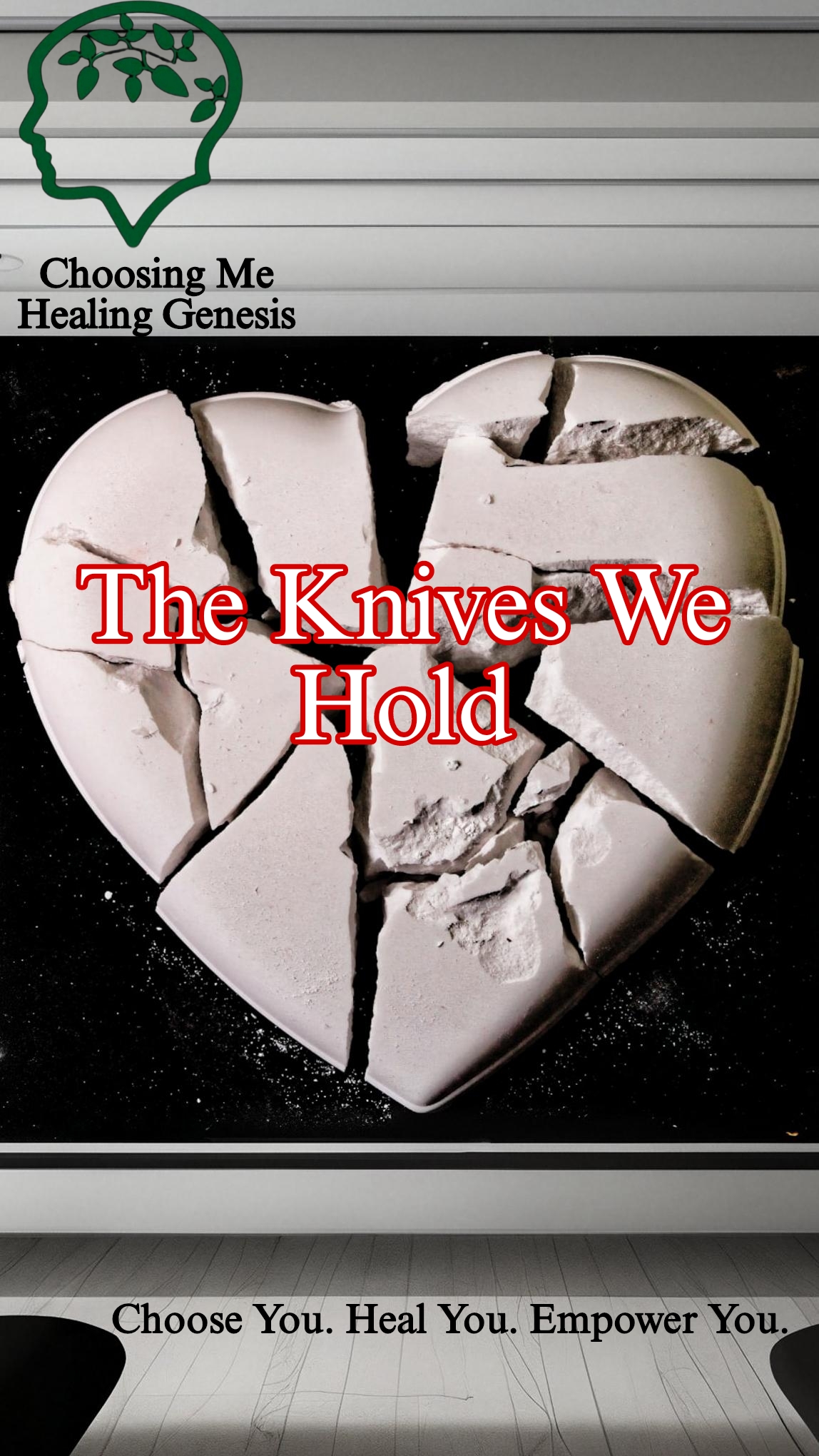
Sometimes, the sharpest pain we feel is the one we unknowingly inflict. Imagine this: bleeding on someone who once hurt you, but in the same moment, stabbing them back, causing them to bleed too. It’s not an intentional act but an instinctive reaction—a tug-of-war of wounds where the tools are knives, and both hearts are left shredded.
This dynamic often plays out in our closest relationships, doesn’t it? The deeper the love, the sharper the hurt. Why? Because we’re selfish by nature. When pain grips us, our focus narrows to our wounds, our scars, our depths of agony. But if we take a step back, truly observing the patterns of our thinking, we might glimpse a troubling truth: the same grace we ache to receive is often the grace we fail to give.
Think about it. The patience, kindness, or love you long for—hasn’t it been extended to you before? Maybe by the very person you’re now at odds with, or by someone else who poured into your life when you needed it most. Isn’t it time to pay it forward? Not just to anyone, but to the one person you feel you can’t live without.
If they mean that much to you, why keep fighting a battle of pride and pain? Why insist on being right when it’s your relationship that hangs in the balance? A closer look might reveal the flawed logic in your actions. You don’t know the full scope of their story—the pain they carried before you entered their life, the depth of their wounds, or how your actions might deepen their scars.
No, it’s not fair. Extending grace rarely feels fair. But if love is genuine, then it’s worth dropping the knife. Breaking the cycle begins with you. Yes, you. Even if the pain wasn’t your fault, even if it didn’t start with you. Be the first to say, “Let’s stop hurting each other.”
This is a season where emotions are heightened, where struggles feel heavier than usual. Maybe it’s the collective weight of the world, or maybe it’s something deeply personal. Either way, now is the time to lay down the pride, the blame, the hurt.
Embrace the messiness of each other’s wounds. Sit with the pain instead of striking back. Let love—not anger or fear—be the reason you stay, the reason you choose to heal together. Because in the end, family—whether chosen or otherwise—isn’t about being right. It’s about being there.
Jealousy. Even just saying the word feels wrong, like it shouldn’t belong to someone “good” or “put-together.” But it does, doesn’t it? It creeps in, twisting its way around your heart in moments you least expect. And before you know it, you’re overwhelmed, a mess of feelings you’re not even sure you understand.
But here’s the thing—jealousy isn’t just about wanting what someone else has. It’s bigger, deeper, and a whole lot messier than that. And until we stop seeing it as just a sign of insecurity or envy, we’ll never truly understand it. Read more “The Truth About Jealousy: The Feeling You’re Too Ashamed to Admit”
Burnout doesn’t announce itself with loud crashes. It creeps in slowly, like a fog rolling in on a clear day, until the sunlight of what once brought you joy is entirely swallowed up. One day, you’re immersed in the flow, the rhythm of what you love, and the next, the very thought of it feels like a weight you can barely carry.
We don’t talk enough about how the things that once filled us with excitement can begin to drain the life out of us. Maybe you were the kind of person who loved waking up early, the quiet of dawn your favorite companion, the stillness your peace. But now, the sound of the alarm feels like an intrusion, a harsh reminder of the responsibilities you once took pride in but now only bring dread.
It’s confusing, isn’t it? How can something that once sparked joy now feel like a burden you’re shackled to? How do you go from loving the process, the little details that once made you smile, to feeling like you’re dragging your feet through it all, only to satisfy expectations—yours, or worse, someone else’s?
Think about the writer who once danced with words, the blank page an adventure waiting to happen. Now, each word feels like pulling teeth, the joy of storytelling replaced by a gnawing frustration, the excitement turned to apathy. Or the teacher who used to light up at the sight of eager young minds, who now feels the flame of passion slowly dimming under the weight of endless grading, administration, and the crushing pressure to be everything for everyone. The once uplifting career becomes a marathon where every step is harder to take than the last.
And it doesn’t have to be something grand. It could be as simple as cooking. You once loved the sizzle of onions in a pan, the joy of creating something from nothing, pouring love into each meal. Now, it feels like a chore, the scent that once made you smile now just another reminder of how tired you are. The kitchen that was once your sanctuary feels more like a prison, the joy drained from every dish you make.
The truth is, when burnout takes hold, it’s not just the exhaustion or the stress—it’s the heartbreak. It’s the sadness of losing something that once meant so much to you. It’s grieving for the joy that used to come so easily, that now feels just out of reach. It’s the confusion of not understanding where things went wrong, of feeling betrayed by something you once loved so deeply.
But here’s where the fresh perspective comes in: Burnout isn’t just about loss. It’s also about change. It’s an opportunity, a sign that something needs to shift. It’s a signal that your needs, your desires, your life—have evolved. Maybe you’ve outgrown what once brought you joy, or maybe the way you engage with it needs to change. Sometimes, the things we love need to be reimagined to fit who we’ve become.
It’s okay to feel resentment, to feel that bitterness toward what once made you happy. It’s okay to admit that you’re not the same person you were when you first fell in love with that job, that hobby, that passion. What’s not okay is ignoring it, pushing through the pain until there’s nothing left but emptiness.
Rediscovering joy is not about going back to how things were; it’s about finding a new way forward. It’s about letting go of the guilt of change, embracing the possibility that joy can be found again—maybe in different places, or maybe in the same places, but approached with new eyes.
So, if you find yourself feeling like you hate what you once loved, take a step back. Give yourself permission to explore why. Be curious, not judgmental. Allow yourself to mourn what’s been lost, but don’t stop there. Seek out new ways to ignite that spark, even if it means starting small, or starting over.
In the end, burnout doesn’t have to be the end of the road. It can be a beginning—a chance to rediscover what truly brings you joy, and to reclaim it in a way that feels true to who you are now. After all, sometimes the things we say we hate are just the things we need to love differently.
We all have a mirror. Maybe it’s the one hanging on your bathroom wall, or the one you check before stepping out. But it’s not really about that mirror, is it? It’s about the mirror we carry inside—the one that reflects back a voice, a whisper, a truth, or a lie.
“Mirror, mirror on the wall, who’s the fairest of them all?” It’s a line from a fairy tale, but in real life, it’s much more than that. It’s a quiet, haunting question we ask ourselves every day, whether we realize it or not. We look into the mirror, and we don’t just see ourselves. We hear a voice. A voice that is supposed to tell us who we are. But what if that voice is lying? What if that voice isn’t even ours?
We grow up learning that mirrors show us the truth. They show us what others see, what we’re supposed to believe. But sometimes, the mirror reflects back more than our physical selves. Sometimes, it shows us our deepest fears, our insecurities, our shame. It whispers that we’re not enough. That we are too much. That we’ll never be loved the way we need to be. And every time we look, it grows louder, bolder, more confident. Until we start to believe it.
But here’s the thing nobody tells you: The mirror doesn’t have a voice. It’s silent. It’s just glass. The voice you hear? That’s a collection of every harsh word you’ve ever received, every side-eye, every moment of rejection, and every failure that bruised you in ways nobody ever saw.
And maybe, just maybe, that voice is wrong.
The mirror doesn’t tell you who you are. It doesn’t see your soul. It doesn’t know your story. It only shows you what you believe you should see. If you believe you’re not good enough, it will find every flaw to confirm it. If you think you’re unworthy, it will magnify every scar, every mark, every imperfection.
But what if, for a moment, you asked a different question?
What if you asked, “Mirror, mirror, who am I really?” Not who the world says you are, not who you’ve been told to be, but who you feel in your bones. The child who laughed freely. The dreamer who dared to dream. The person who still has something beautiful, something untouched by all the noise.
What if the voice you hear isn’t yours at all? What if it belongs to every person who didn’t see you, every person who made you feel small, and every single one of those moments when you felt less than? What if, instead, you listened to the quieter voice, the one hidden beneath all the noise—the voice that says you are enough just as you are, that you are worthy of love, and that your story is still being written?
Look again.
Not with the eyes that have been trained to see what’s wrong, but with the eyes that remember who you are when no one’s watching. Look with the eyes of kindness, of compassion, of truth. The truth that is yours, not borrowed, not twisted by fear or doubt.
Listen.
Not to the voice that comes easily, the one that stings and scratches at your self-worth. Listen to the voice that is quieter, softer, but so much more real. The one that has been waiting for you to hear it, the one that says, “You are here. You are enough. You are worthy.”
The mirror will always be there. It will always reflect back what you bring to it. But you get to choose which voice to believe. You get to decide if the mirror will be a source of pain or a window to something more. The truth isn’t always found in the reflection; sometimes, it’s found in the act of looking beyond it.
So, next time you find yourself in front of a mirror, don’t ask who the fairest is. Ask who the truest is. And let that voice, the one that comes from the deepest, most unfiltered part of you, be the one you believe. Because that voice, no matter how faint it feels right now, holds a truth far more powerful than any reflection ever could.
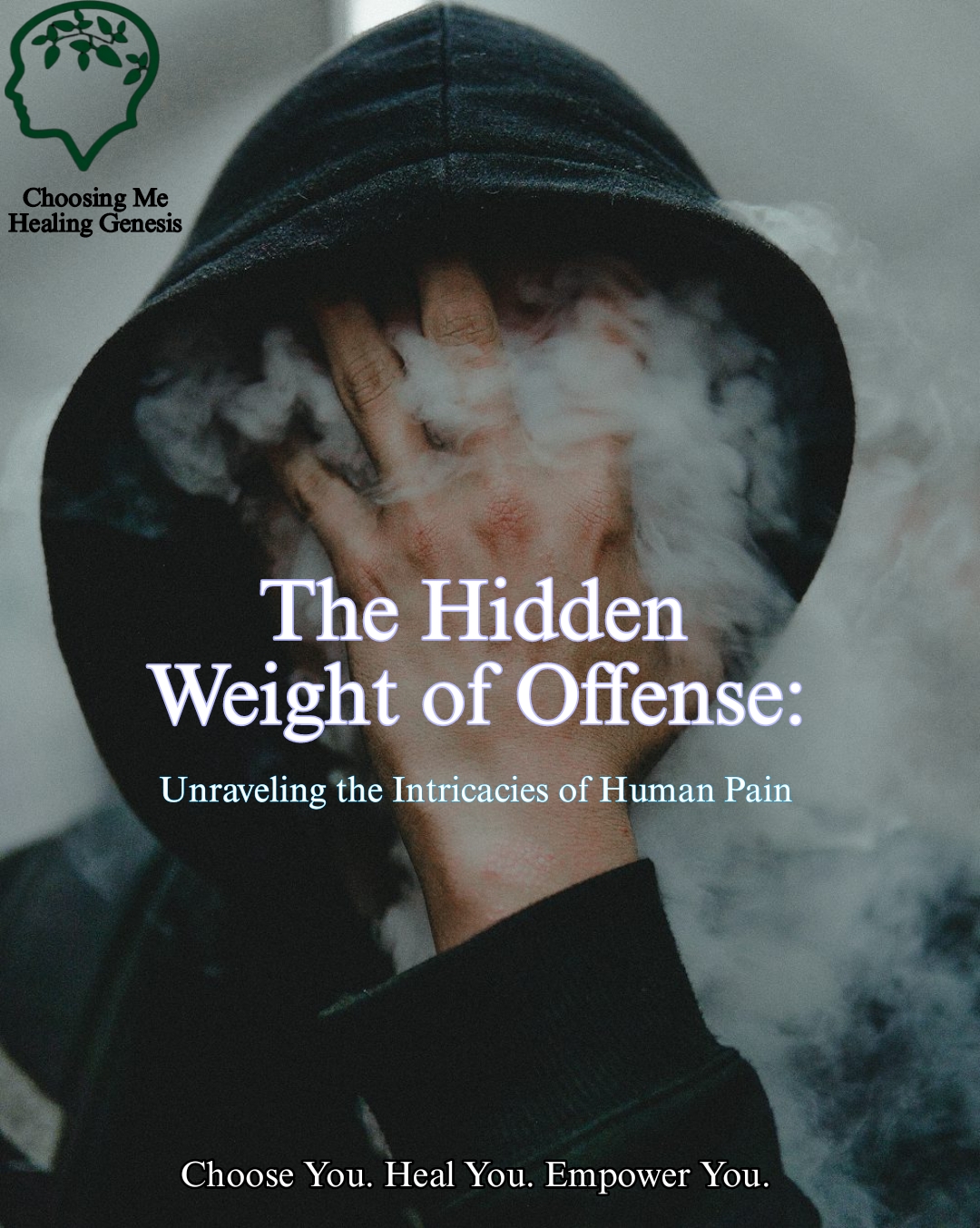
Offense is more than just a fleeting emotion; it’s a deeply personal experience that can shake you to your core. It’s that moment when someone’s words or actions slice through your defenses, leaving you exposed and vulnerable. We often dismiss it as a mere reaction, something to be shrugged off, but the truth is, offense digs much deeper. It roots itself in our psyche, festering in the dark corners of our mind where our deepest insecurities lie.
Imagine you’re in a room full of people, and someone says something that hits a nerve. Maybe it’s a casual remark, something they didn’t think twice about, but to you, it feels like a punch in the gut. Your face flushes, your heart races, and before you know it, a wave of anger surges through you. You want to lash out, to defend yourself, to make them understand the pain they’ve caused. But sometimes, you don’t. Sometimes, you swallow that anger, bury it deep, and try to move on.
Yet, that buried offense doesn’t disappear. It lingers, manifesting in ways you might not even realize. It can show up in your relationships, where you find yourself snapping at loved ones for reasons that seem trivial. It can affect your self-esteem, making you question your worth and second-guess your decisions. Offense, when left unchecked, has a way of coloring your perception of the world, turning you more guarded, more cynical, more distant.
Consider the example of a friend who makes a joke at your expense. Everyone laughs, including you—on the outside. But inside, something shifts. You start to pull away, a little at first, then more noticeably. You become more reserved, less willing to share, because the fear of being hurt again looms large. The offense has planted a seed of mistrust, and from that seed grows a wall that begins to separate you from others.
Then there’s the other side of the coin—the quiet offense. The one that doesn’t provoke an immediate reaction but instead settles into a slow burn. Maybe it’s a slight from a coworker, a criticism from a partner, or a snub from a friend. You tell yourself it doesn’t matter, that you’re above it, but every time you see that person or think about that moment, it’s like a tiny thorn in your side. It’s not enough to make you cry out in pain, but it’s always there, irritating, reminding you that you’ve been wounded.
This kind of offense is insidious. It seeps into your thoughts, your behaviors, your interactions with others. You become more guarded, more cautious, because somewhere deep down, you’re trying to protect yourself from being hurt again. It can make you more prone to anger, more easily offended by things that might not have bothered you before. It creates a cycle—a loop where the offense feeds into your fears and insecurities, which in turn makes you more susceptible to future offenses.
And then there’s the shame—the feeling that maybe, just maybe, you deserved the offense. That there’s something wrong with you, something that invited the hurt in the first place. This shame can be paralyzing. It keeps you from speaking out, from defending yourself, because what if they’re right? What if you really are as flawed as they made you feel?
Offense, in its many forms, is a universal experience. We’ve all felt it, and we’ve all dealt with it in our own ways. Some of us lash out, trying to reclaim our sense of power. Others withdraw, building walls to keep the world at bay. But no matter how we respond, the truth remains: offense hurts. It shakes our sense of self, our place in the world, and our relationships with others.
But there’s also power in recognizing offense for what it is—a sign that something in us needs attention. Whether it’s an old wound that’s been reopened, an insecurity that’s been triggered, or a boundary that’s been crossed, offense is a call to action. It’s an opportunity to understand ourselves better, to heal, and to grow.
In the end, offense is a part of being human. It’s messy, it’s painful, and it’s complicated. But it’s also a chance to connect with our deepest selves, to confront the things that hurt us, and to find a way to move forward—stronger, wiser, and more compassionate.
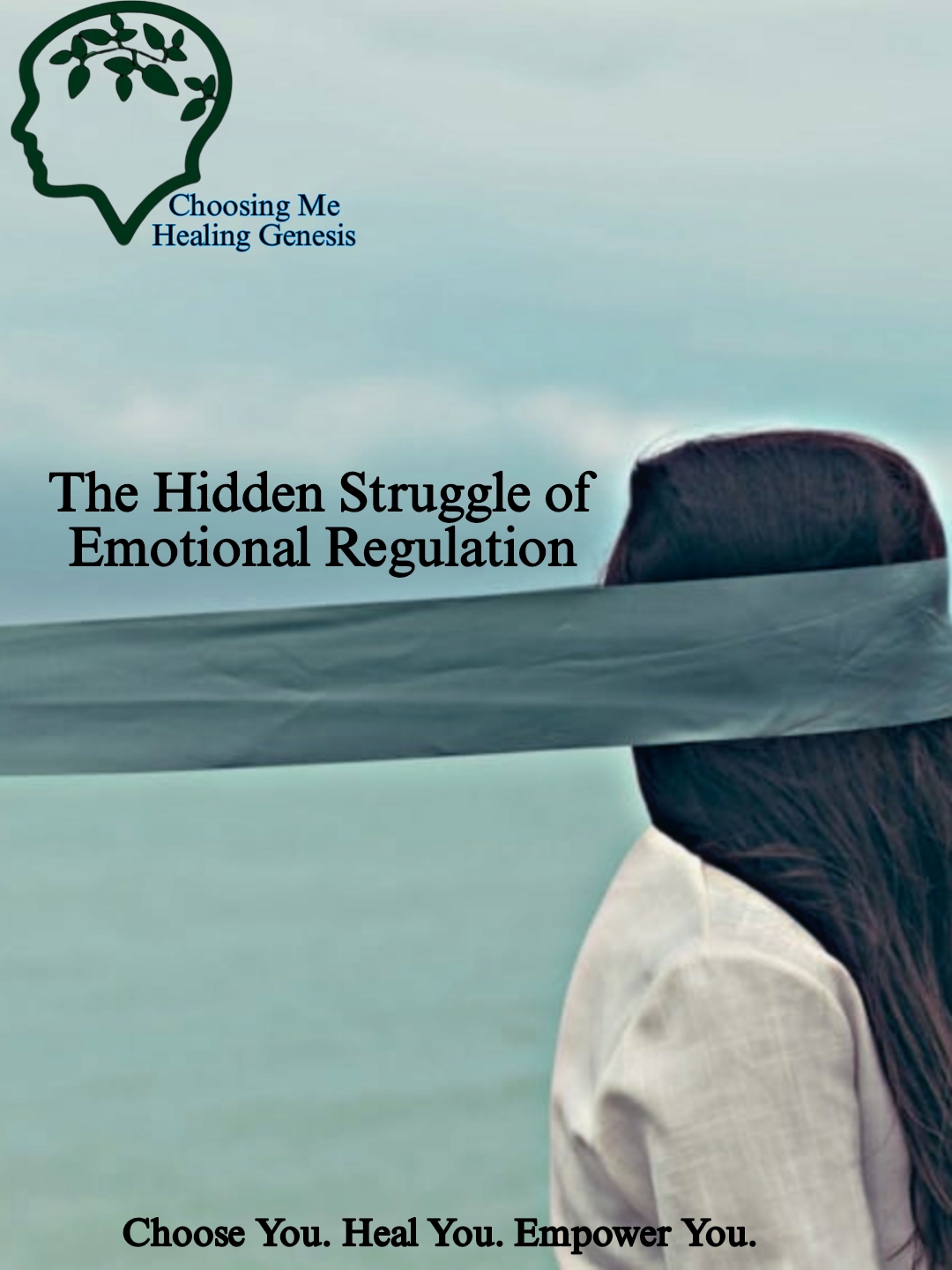
Have you ever noticed how a small inconvenience can set off a cascade of negative emotions, leading you to lash out at those around you? This week, let’s explore the depths of these emotional responses and how they can impact our relationships, even when we don’t mean to cause harm.
The Trigger: A Common Scenario
Imagine you’ve had a rough day at work. You come home exhausted, looking forward to unwinding, but things don’t go as planned. The house is noisy, and dinner isn’t what you expected. Your disappointment quickly turns into frustration, and you start to voice your dissatisfaction loudly and repeatedly.
In these moments, it’s easy to forget that our words and actions can deeply affect those around us. What feels like a simple expression of frustration to you can come across as hurtful and demoralizing to others, especially if it’s repeated.
Recognizing the Pattern
When you find yourself constantly complaining about minor issues, it’s a sign that there might be underlying emotions at play. It’s not just about the noisy house or the unsatisfactory dinner—it’s about how these situations become outlets for your unexpressed feelings.
For example, you might repeatedly criticize the food, not realizing that your words hurt the person who prepared it with good intentions. This behavior can create a tense atmosphere and make others feel unappreciated.
Self-Reflection and Accountability
Realizing that your actions might be causing harm is a crucial step toward change. It’s important to acknowledge that your frustration may be rooted in deeper issues, and that lashing out is not a healthy way to cope.
Strategies for Improvement
1. Pause and Reflect:Before reacting, take a moment to understand why you’re upset. Is it really about the current situation, or is there a deeper issue at play?
2. Communicate Constructively:Instead of criticizing, express your feelings in a way that doesn’t blame others. For example, “I’m feeling really overwhelmed today, and the noise is making it hard for me to relax.”
3. Seek Understanding:Try to understand the perspective of others involved. Acknowledge their efforts and express gratitude for what they do.
4. Practice Empathy:Consider how you would feel if roles were reversed. This can help you moderate your responses and show more compassion.
5. Apologize and Make Amends: If you realize you’ve hurt someone, a sincere apology can go a long way. Let them know that your frustration wasn’t about them and that you appreciate their efforts.
Moving Forward
Changing toxic behavior is a continuous journey. By recognizing your triggers and making a conscious effort to communicate more kindly, you can create more positive and supportive relationships. It’s okay to have bad days and feel frustrated, but what matters is how you choose to express those feelings and ensure you don’t hurt those around you in the process.
Your journey towards better emotional regulation and communication can lead to more fulfilling and harmonious interactions, helping you build stronger, healthier relationships with those you care about.
Grief is a universal experience, yet it is uniquely personal. It is an emotional storm that strikes with little warning, leaving us vulnerable and exposed. The weight of loss can be paralyzing, a heavy fog that lingers long after the initial shock has worn off. But what if we could navigate these treacherous waters with a deeper understanding and a sense of compassion for ourselves and others? Let’s delve into the lesser-known facets of grief and explore ways to find our way back to the shore.
The Hidden Layers of Grief
Grief is not just about losing a loved one. It encompasses the loss of dreams, identities, and the future we envisioned. When someone we love dies, we also mourn the unfulfilled plans and the roles they played in our lives. This multifaceted grief is often overlooked, yet it’s a critical part of the healing process. Recognizing that grief can stem from multiple sources allows us to validate our feelings and understand the full scope of our sorrow.
The Physicality of Grief
Grief is not solely an emotional or mental experience; it manifests physically. The ache in your chest, the exhaustion that seems to have no end, the loss of appetite—these are all common physical responses to grief. Understanding this connection between mind and body helps in acknowledging that it’s okay to feel physically unwell. Your body is processing the trauma, and it’s essential to treat it with care and patience.
Grief and Memory
One of the most poignant aspects of grief is how it affects our memories. We may fear that over time, we will forget the sound of their voice, the warmth of their embrace, or the way they made us laugh. This fear can create a new layer of grief as we struggle to hold on to these precious moments. Embracing routines, such as journaling, creating memory boxes, or even simple acts of remembrance, can help keep their presence alive in our hearts.
The Solitude of Grief
Grief can be incredibly isolating. Even when surrounded by loved ones, the feeling of being alone in our sorrow can be overwhelming. It’s important to remember that while each person’s grief is unique, you are not alone in your experience. Sharing your story with others who have also walked this path can bring comfort and understanding. Finding support groups, either in person or online, can create a space where your grief is seen and validated.
Managing the Depths of Grief
The journey through grief is not about moving on but about moving forward. Here are some ways to manage your grief without becoming lost in it:
1. Allow Yourself to Feel: Suppressing your emotions can prolong the grieving process. Give yourself permission to feel whatever arises—anger, sadness, confusion, or even relief.
2. Create a Routine: Establishing a daily routine can provide a sense of normalcy and stability in a time of chaos. Small, manageable tasks can give you a sense of accomplishment and control.
3. Seek Professional Help: There is no shame in seeking the help of a therapist or counselor. They can provide you with tools and strategies to cope with your grief in a healthy way. (As Choosing Me Healing Genesis, we’re always here to help you find your best professional help fit.)
4. Practice Self-Compassion: Be gentle with yourself. Grieving is hard work, and it’s okay to take time to care for your needs. Whether it’s through rest, creative expression, or physical activity, find what nourishes your soul.
5. Connect with Nature: Spending time in nature can be incredibly healing. The rhythm of the natural world—its cycles of growth, decay, and renewal—can offer a profound sense of solace and perspective.
Moving Forward with Hope
Grief never truly leaves us, but it does change over time. The sharp edges of sorrow can become softer, and moments of joy can start to weave their way back into our lives. As we navigate this journey, it’s crucial to hold on to hope. Hope that the pain will lessen, hope that we will find moments of peace, and hope that we will carry our loved ones with us in a new way.
In the end, grief is a testament to the love we have known. It is a reminder that our hearts have the capacity to feel deeply, to connect profoundly, and to heal, even when it seems impossible. As you walk this path, know that you are seen, you are felt, and you are not alone. Your grief is a part of your story, but it does not define you. You have the strength to navigate these uncharted waters and to find your way back to the light.
Anger can feel all-consuming. It can take root so deep inside you that it feels like it’s a part of who you are. For some, anger isn’t just a fleeting emotion but a constant companion, influencing thoughts, actions, and even relationships. If you have anger issues, you know how it feels to be constantly on edge, ready to snap at the smallest provocation.
The Depths of Anger
Anger often begins with pain. It could stem from childhood trauma, betrayal, unmet expectations, or unresolved conflicts. This pain, when left unchecked, festers and grows. It turns into a defense mechanism, a way to protect yourself from further hurt.
You might feel justified in your anger, seeing it as a necessary shield against a world that feels harsh and unfair. But over time, this anger starts to blur the lines between your true self and the emotion itself. It becomes harder to distinguish where your anger ends and where you begin. You might start to feel like your anger is the only thing that keeps you safe, the only thing that makes you strong.
The Weight of Anger
Living with anger is exhausting. It drains your energy, leaving you feeling constantly tired and on edge. It affects your mental and physical health, causing stress, anxiety, and even physical ailments. Relationships suffer as your loved ones struggle to navigate the minefield of your emotions. You might feel isolated, misunderstood, and alone.
But here’s the thing: You are not your anger. You are so much more than this emotion that has taken hold of your life. There is hope, and there is a way to live without this constant weight on your shoulders.
The Hope of Healing
Imagine a life where anger doesn’t control you. A life where you can feel calm, happy, and free. It might seem impossible now, but with time and effort, you can get there. Here are some steps to help you start this journey:
1. Acknowledge Your Anger
The first step is to admit that anger is a problem. It’s not a sign of weakness; it’s a sign of strength to recognize and face your issues. Reflect on the moments that trigger your anger and understand that it’s okay to feel this way, but it’s not okay to let it rule your life.
2. Understand the Root Cause
Anger often masks deeper emotions like fear, sadness, or disappointment. Try to dig deep and uncover what’s really driving your anger. Journaling, therapy, or talking with a trusted friend can help you explore these feelings.
3. Practice Mindfulness
Mindfulness can help you stay present and calm. When you feel anger rising, take a moment to breathe deeply and focus on the present moment. This can help you avoid reacting impulsively and give you time to respond more thoughtfully.
4. Develop Healthy Coping Mechanisms
Find activities that help you release pent-up emotions in a healthy way. Exercise, art, music, or any hobby that you enjoy can be a great outlet for your emotions. These activities can help you channel your energy into something positive and reduce your overall stress.
5. Seek Professional Help
Therapists can provide invaluable guidance and support as you work through your anger. They can help you develop strategies to manage your emotions and address the root causes of your anger. Don’t hesitate to seek professional help; it’s a crucial step in your healing journey.
Living Without Anger
Imagine waking up feeling light, without the heavy burden of anger. Imagine your relationships thriving, filled with love and understanding. Picture yourself smiling more, laughing more, and truly enjoying life. This isn’t just a dream; it can be your reality.
Letting go of anger doesn’t mean ignoring your emotions or pretending everything is fine. It means acknowledging your feelings, understanding them, and choosing to move forward in a healthier way. It means giving yourself the gift of peace and freedom.
You Can Do This
You are not alone in this journey. Many people have walked this path and come out stronger and happier on the other side. It’s not easy, but it’s worth it. Take the first step today. Acknowledge your anger, understand it, and start working towards a life without it. You deserve to live a life free from the weight of anger, a life where you can be your true, authentic self.
You’ve got this. You are capable of change, and you are worthy of peace. Let’s take this journey together, one step at a time.
—
Feel free to share your thoughts or experiences in the comments. Remember, every step you take towards healing and living fully is a step towards a brighter, more fulfilling life. Thank you for reading, and take care of yourself today and every day.